


FieryPlay Casino Color Scheme and Accessibility UK User Assessment

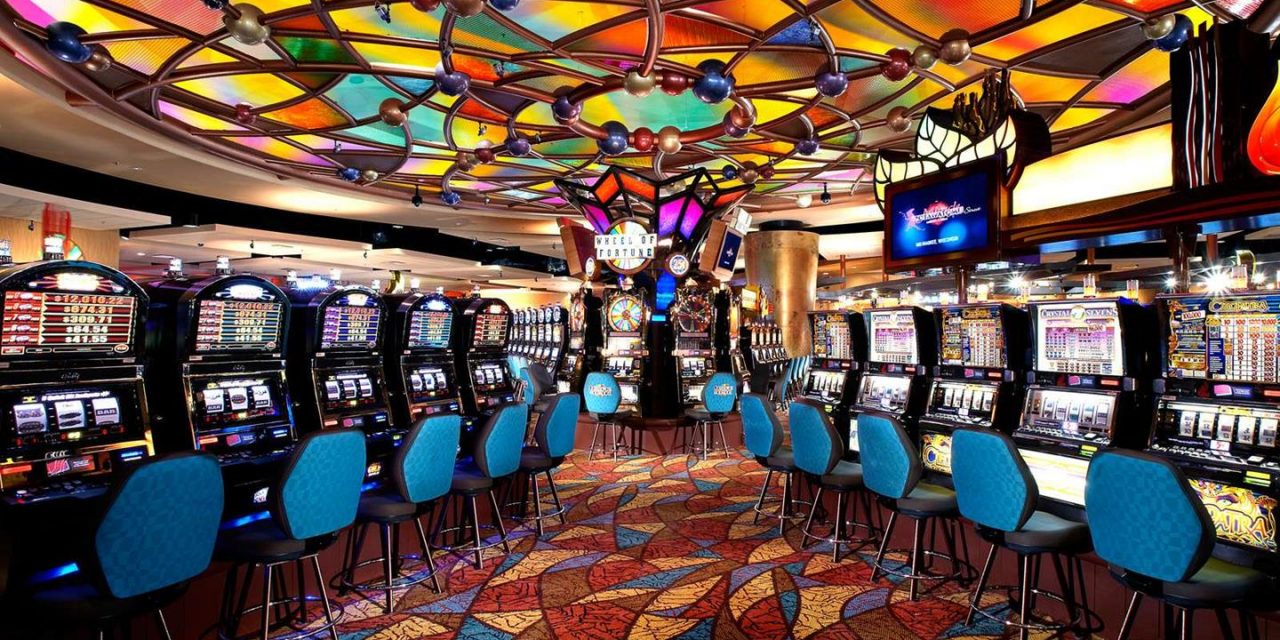

As someone who spends a substantial quantity of time evaluating online casinos, I have discovered that initial perceptions are usually dictated by design. The screen layout is the initial touchpoint, and it might welcome you for a easygoing play or push you away with unease and bewilderment. In this review, I aim to zero in on FieryPlay Casino’s visual identity, notably its colour palette and the resulting inclusive design effects. My goal is to go beyond a basic design evaluation and analyze how the site’s appearance and sensation influences user-friendliness, ocular ease, and general player experience. This goes beyond superficial beauty; the question is whether the interface is utilitarian, accessible, and beneficial to an satisfying wagering period. I will be examining the selections implemented by FieryPlay, considering both typical web usability standards and the real-world conditions of a gambling setting where clearness is crucial.
Deconstructing the FieryPlay Color Palette
The name “FieryPlay” offers a powerful hint about the dominant color direction, and the casino certainly delivers that promise. The primary color scheme is a high-contrast blend of deep, charcoal-like blacks and vibrant warm oranges and reds. This is not a pastel or muted environment; it’s audacious and intentionally dramatic. The background is largely a very dark grey or pure black, which functions as a canvas for the fiery accent colors that highlight buttons, promotional banners, game thumbnails, and key navigational elements. This generates a theatrical, almost cinematic feel, suggestive of a high-end nightclub or an exclusive VIP lounge. The psychological impact is clear: the dark base implies sophistication and focus, while the pops of orange and red are designed to spark excitement, energy, and urgency, classic marketing triggers in the gambling industry. From a purely brand perspective, the scheme is cohesive and memorable, efficiently communicating the casino’s energetic persona.
However, experiencing this palette during extended testing uncovered nuances. The specific shade of orange used is critical. FieryPlay uses a slightly toned-down, burnt orange rather than a neon, which is a wise choice. A neon orange on a black background would create extreme visual vibration and be fatiguing within minutes. Their selected hue delivers enough pop to draw attention without causing immediate strain. Secondary colors include cool whites for text and some neutral greys for secondary backgrounds and dividers. I spotted a sparing use of green, usually reserved for success states or specific promotions, and a full absence of blues, which keeps the warm, fiery theme intact. The overall effect is unquestionably stylish and on-brand, but its success relies entirely on implementation details like contrast ratios, text legibility, and the management of visual “noise,” which I will explore in the following sections on accessibility and practical use.
Accessibility Review: Contrast Ratio, Legibility, and Navigation Structure
Here is where my analysis moves from personal opinion to unbiased criticism. A beautiful design that fails a large segment of its audience is a poor design. With my usual set of tools of developer tools in the browser and accessibility audit extensions, I subjected FieryPlay’s interface to a detailed analysis against the Web Content Accessibility Guidelines (WCAG). The core principle here is sufficient contrast between text and background. The findings were inconsistent. The most important text elements—such as white text content on the black or dark grey background—passed with flying colors, delivering high contrast that most users can easily read. In the same way, the dark text placed on orange buttons also performed well. This is a basic and essential win for basic readability.
Where the scheme stumbles, though, is in its middle tones and interactive states. Various less important details, like specific promotional text in a lighter grey placed on a slightly darker grey, fell below the recommended contrast ratio for standard text. More worrying was the approach of some hover states and entry fields. For instance, when moving the cursor over some menu items, the color shift was sometimes too faint, giving inadequate feedback for users with low vision or cognitive impairments. I also noted that the reliance on color alone to denote certain states (like an active tab) could be difficult for those with color blindness. While the overall structure is logically laid out, these minor details suggest that likely thought about accessibility but not prioritized to the highest standard. The system is works for most users but creates unnecessary obstacles for those with visual impairments.
A further point of analysis is the management of “visual weight.” The high-contrast, dramatic scheme can lead to clutter if not properly managed. FieryPlay generally does a good job using whitespace and card-based layouts to separate content blocks, stopping the page from becoming an overwhelming sea of flashing orange. Game thumbnails are neatly organized in grids, and the main navigation is fixed and relatively clean. However, the promotional banners, which heavily utilize the fiery colors, can feel dominant. For a user easily distracted or overwhelmed by intense visual stimuli, these sections could be a source of discomfort. The casino lacks a dedicated “reduced motion” or “calm mode” setting, which is a feature some forward-thinking platforms are implementing to cater to neurodiverse audiences and those prone to sensory overload.
Player Experience: Convenience Throughout Long Sessions

An internet casino is not a site you browse for 30 seconds; users often participate in sessions spanning an hour or more. Thus, long-term comfort is a critical metric. My own experience with FieryPlay’s design over multiple prolonged gaming periods was largely positive, but with caveats. The black theme is a major benefit in this regard. The black background significantly cuts glare and minimizes the quantity of harsh blue light given off versus a site with white background, which is gentler on the eyes, especially in low-light environments. This is a standard feature in many modern apps and is highly appreciated. The comfort level, however, depends greatly on your screen’s quality and settings. On a well-calibrated monitor, the deep blacks look rich and the orange hues are sharp.
On low-end screens or screens with weak contrast, the details can blur, and dark-background text may seem slightly blurry, requiring more focus to read. The areas where the design caused fatigue were predictable: while playing slot bonus rounds or when navigating sections with multiple animated banners. The steady animation plus sharp contrast becomes draining. I developed a personal strategy of focusing on the game window itself and employing the streamlined menus to get around, effectively ignoring the more visually busy promotional areas. This indicates a design that excites in short stretches but might profit from thoughtfully designed “rest spaces” for long sessions. The absence of a built-in dark/light switch also forces players to remain in this intense visual environment, with no option to move to a more soothing palette if they find their eyes tiring.
Mobile Experience: Adaptation of the Color Palette
The mobile experience is, for many users, the primary way of interacting with an online casino. I was particularly interested to see how FieryPlay’s intense color scheme translated to a smaller screen. This adaptation is technically proficient. The responsive design works well, compressing menus and stacking elements appropriately. The color palette remains consistent, which is beneficial for brand identity. On a mobile OLED screen, the pure blacks look impressive and are extremely energy-efficient, a nice technical bonus. The fiery accents on buttons and action prompts remain distinct and clickable, with proper spacing to avoid mis-taps—a crucial aspect of mobile usability.
Yet, the constraints of a small screen amplify both the pros and cons of the design. The strong contrast aids in quick scanning and interaction; important buttons are unmistakable. However, the density of information can feel more noticeable. A promotional banner that takes up a third of a mobile screen feels far more dominant than on a desktop. The need for concise text is greater, and in some places, the text size on less important text felt a pixel too small for comfortable reading on a smaller device. The net impression is that the mobile site is a straightforward, reduced version of the desktop design rather than a thoroughly redesigned mobile experience. It works perfectly fine, but it fails to exploit the unique opportunities of mobile to perhaps simplify the visual language further for on-the-go use.
Appealing Design Elements and Smart Details
In spite of the criticisms, FieryPlay’s design includes several intelligent features that improve user-friendliness. The coherent use of colors is a significant plus. Once you learn the system, navigation becomes intuitive. As an example, orange nearly always indicates a clickable or interactive element. This creates a reliable mental model for the user. I also appreciated the clear visual hierarchy on game pages. The “Play” or “Deposit Now” buttons are uniformly designed with the brightest hue and are never lost on the page. The loading animations and confirmation messages are understated and utilize the theme colors elegantly without being overly flashy.
Another clever touch is the use of the dark background to make game logos and thumbnails truly pop. The game lobby feels vibrant and enticing because each game’s artwork is framed by the dark canvas like images in a gallery. Moreover, the designers have avoided a common pitfall: using red exclusively for warnings or losses. Given that red is part of their brand palette, they use various symbols and text to communicate financial status, avoiding negative associations with their core brand colors. This reveals a sophisticated understanding of color psychology in a sensitive field. The overall visual appearance is definitely consistent; all pages feel like they belong to the same fiery universe, which builds confidence and brand identification.
Comparison with Market Benchmarks
To frame FieryPlay’s options, it’s useful to look at typical patterns in casino interface design https://fierysplay.com/. The industry generally divides into several categories:
- The Themed/Classic Casino: Typically utilizes vibrant greens, golds, and reds (think green felt) to evoke a physical casino or a particular theme such as Irish fortune or ancient Egypt. These can be quite cluttered and heavy on imagery.
- The Sleek/Simple Casino: Uses plenty of white space, light greys, and a lone striking accent shade (often blue or purple). The emphasis is on simplicity, quickness, and a modern sensibility.
- The Dark Theme Leading Casino: FieryPlay fits perfectly here, alongside casinos that utilize black or very dark grey as a base. It’s a trend that’s gaining traction for its viewing ease and sleek look.
Where FieryPlay differentiates itself is in the precise warmth of its accent colors. Many dark-mode casinos use cool accents like electric blue or cyan. FieryPlay’s dedication to a hot, blazing color scheme distinguishes it in a crowd of cool-hued rivals. This gives it a stronger, more aggressive personality. In terms of accessibility, it’s not the top nor the bottom. I have examined casinos with light grey text on white backgrounds that are utterly illegible, and I have encountered others that achieve almost perfect WCAG compliance and have strong accessibility menus. FieryPlay sits in the middle of this spectrum—its basic readability is solid because of the dark theme groundwork, but it misses the sophistication and accessibility features of the industry frontrunners. Its design focuses more on building an immersive mood rather than a fully accessible interface.
Opportunities for Enhancement and Recommendations
Drawing from my analysis, here are the key areas where FieryPlay could improve its design for better accessibility and user comfort:
- Integrate an Accessibility Menu: A small button in the corner permitting users to increase text contrast, change to a grayscale mode, or even turn on a high-contrast light mode would be revolutionary. This single feature would tackle most of the contrast-related issues I found.
- Refine Interactive States: Hover and focus states need to be more pronounced. Adding an underline, border, or icon change in addition to the color shift would ensure all users can track their cursor or keyboard navigation.
- Create a “Calm Mode”: An option to pause animations on banners and reduce the motion of promotional elements would be a huge benefit for users susceptible to sensory overload and would correspond with modern, ethical design practices.
- Refine Mobile Typography: Conduct a thorough check of font sizes and line spacing on mobile breakpoints to make sure all secondary text meets comfortable reading standards without zooming.
These improvements would not demand a radical visual overhaul. They are enhancements at the edges that would refine an already strong brand identity and show a commitment to a wider audience. The core fiery aesthetic is strong and should be kept; it just needs to be made more flexible and welcoming.
Final Assessment on the FieryPlay Graphical Encounter
My comprehensive analysis of FieryPlay Casino’s color design and inclusivity leads me to a balanced finding. The platform’s aesthetic character is bold, memorable, and powerfully expresses its brand commitment of energetic play. The dark mode framework is a major advantage for long-session eye ease and matches with modern design trends. For the average user with standard vision, exploring the site is a seamless and aesthetically immersive experience. The palette is implemented with sufficient attention to steer clear of being garish, and the consistent design across desktop and mobile establishes a solid brand image. However, the casino’s commitment to this bold aesthetic comes at the expense of broader usability. The scheme creates compromises in aspects like delicate contrast levels and dependence on color indicators that pose hindrances for users with sight disabilities or certain mental preferences. It is a design that excels in atmosphere and excitement but lands short of the greatest criteria of accessible design. Ultimately, FieryPlay delivers a aesthetically striking and generally pleasant atmosphere for the typical player, but it has evident room to develop into a platform that is not only fiery but also really hospitable to all.